

Six weeks of strict bedrest after major surgery is no small task — believe me, it feels like an endurance test of body, mind, and spirit.
The limits on movement are frustrating, the stillness can feel suffocating, and yet, this time is critical. YourThis time around, I’m more determined than ever to give my body the absolute best chance at healing it deserves, and that means protecting the surgical work that was done — even when my mind is screaming to move, get up and get going!
Here’s a roadmap I’m trying to follow diligently to help sustain myself — physically, emotionally, and mentally — while protecting my healing:
PHYSICAL SUSTAINABILITY
1. I vow to honour my limits — They’re Part of My Healing Process
Some days I feel that I can do so much more, that I am wasting my time lying in bed. But, I constantly remind myself that even if I feel like I could do more, it’s my internal structures that need time.
Remind yourself:
This isn’t punishment — it’s protection.
2. Deep Breathing Isn’t Optional
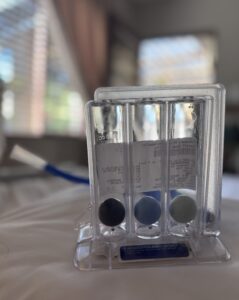
Lungs get lazy when we’re still. In hospital, my physiotherapist followed a quick but effective exercise plan on my spirometer, which I’m continuing at home. However, you don’t need anything to exercise deep breathing.
Here are a few exercise ideas to practice:
Slow belly breathing
In through the nose for 4
Hold 2
Out through the mouth for 6
These are relaxing and help keep oxygen flowing to tissues that need to repair.
3. Micro-Movements Matter
As a paraplegic I can’t independently move my lower limbs or even do any micro-movements on my own, unaided. However, I can ask for a little bit of help with the legs and feet and I can definitely do the movements independently with my upper body.
I have to constantly remind myself that even from bed, micro-movements matter.
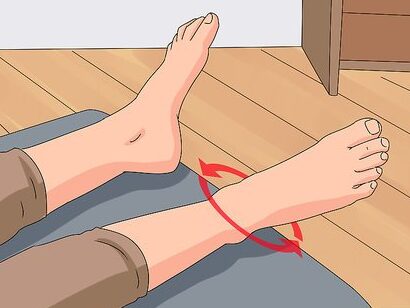
Some of the movements include, but are not limited to:
Ankle circles
Wiggling toes
Gentle hand and arm stretches
These tiny movements keep my circulation going, reduce clot risk, and maintain a feeling of being in my own body, actively playing my part to heal.
4. Structured Rest & Mini Routine
Even when we’re lying down 24/7, our body craves rhythm, so I’m trying to follow some of these ideas:
Morning wash/face routine in bed
Scheduled medication
Hydration, ie. drinking my fluids throughout the day
Meal times
“Sitting & standing sessions” as milestones
Routine gives shape to shapeless days.
EMOTIONAL SURVIVAL
1. Name the Feelings as They Come
This doesn’t come naturally to any and everyone and like me, you may need to put quite a bit of exercise in to do this. But, keep going to not only survive, but potentially thrive emotionally.
Frustration. Fear. Anger. Grief. Relief. Hope.
Every single one of these emotions will visit.
I guarantee that (and I don’t guarantee easily!). You’re not doing it wrong — you’re doing something incredibly hard.
2. Accept That Productivity Isn’t the Goal
This is not the time to:
start a business
reinvent your life
feel guilty for resting
Healing is your full-time job.
I am so guilty of doing all of the above! I find myself falling into the trap of getting onto my laptop to explore possible business opportunities, to write, etc.
I constantly have to remind myself that even if all I do during the day is rest well, breathe well, and keep my body safe, I’ve actually done something huge.
3. Let Yourself Be Cared For
I’ve always – perhaps stubbornly – prided myself on being independent despite my disability. However, this is so not the time for that.
If someone offers any help, including but not limited to:
food
company
texting updates to friends
Say yes.
Allowing support is strength, not weakness.
MENTAL FORTITUDE
1. I Choose to Anchor Myself to Reason
I chose this surgery because:
something needed to be fixed – in my case, my spinal stability
you deserve a better future – pain free, able to move as independently as possible
this is the path forward – to a pain free and independent life
Every day of bedrest is another day towards the life I want – no! NEED – back.
2. Prepare for the “Wall” Moments
There are days when I think:
“I can’t do another minute of this.”
I realized quite quickly that BEFORE that happens I would need a “mental emergency kit”:
One friend to call or message anytime
A playlist that shifts your state
A favourite scent or lotion – friends from across our country recently sent me a gift parcel with a room spray and it’s fast becoming my favourite!
A comforting mantra:
“This rest is making me stronger.”
“My healing is already happening.”
“This won’t last forever.”
3. Feed the Mind Without Overloading It
Occasionally I don’t have the energy to focus — again, I have to remind myself that that’s okay.
Eg. reading used to be a hobby that I enjoyed and that came easily to me. Nowadays though, I can find it hard to manage a couple of paragraphs at a time – and for now, that’s okay.
Gentle options:
audiobooks
documentaries
soft music
guided meditation
nature sounds
And sometimes?
Just stare out the window. That’s enough.
MOST IMPORTANT OF ALL...
I am proud of my patience. Be proud of yours.
I have realized that it takes courage to stay still when everything in me wants to move.
I’m not failing — I am healing.
Remember that pat on your back for doing great – every day.
Six weeks seems impossible — until it will be done.
And then one day, I’ll sit up at 90°…
Then roll around in my wheelchair independently…or in your case, WALK!
And we’ll know:
Every hour of stillness bought us our freedom.
Ek bewonder jou en bid vir pynloos. Lief vir jou!