
Ageing is one of life’s great universal experiences. None of us are getting out of it alive, and yet most people are still slightly offended when their knees start making noises without prior consent.
For those of us who live life as permanent wheelchair users following spinal cord injury, ageing arrives with a slightly different flavour. Not necessarily darker — just more layered. If life were a cake, this would be the “wheelchair + ageing” combo: still cake, still worth eating, but with a few extra ingredients you didn’t order.
Ageing When Your Body Already Took an Unexpected Detour
Living with paralysis means you become familiar with adaptation early on. You learn to plan, conserve energy, listen carefully to your body and occasionally negotiate with it (usually unsuccessfully).
So when ageing enters the chat, it doesn’t feel like a dramatic plot twist — more like a gentle tap on the shoulder saying, “Right, remember all that adapting you’ve mastered? Let’s add a bit more.”
This isn’t about decline so much as adjustment. Things take longer. Rest matters more. Recovery needs to be scheduled rather than assumed. And yes, some days your shoulders remind you that they have been doing the work of legs for a very long time now and would like formal recognition.
The Quiet Thoughts We Don’t Always Say Out Loud
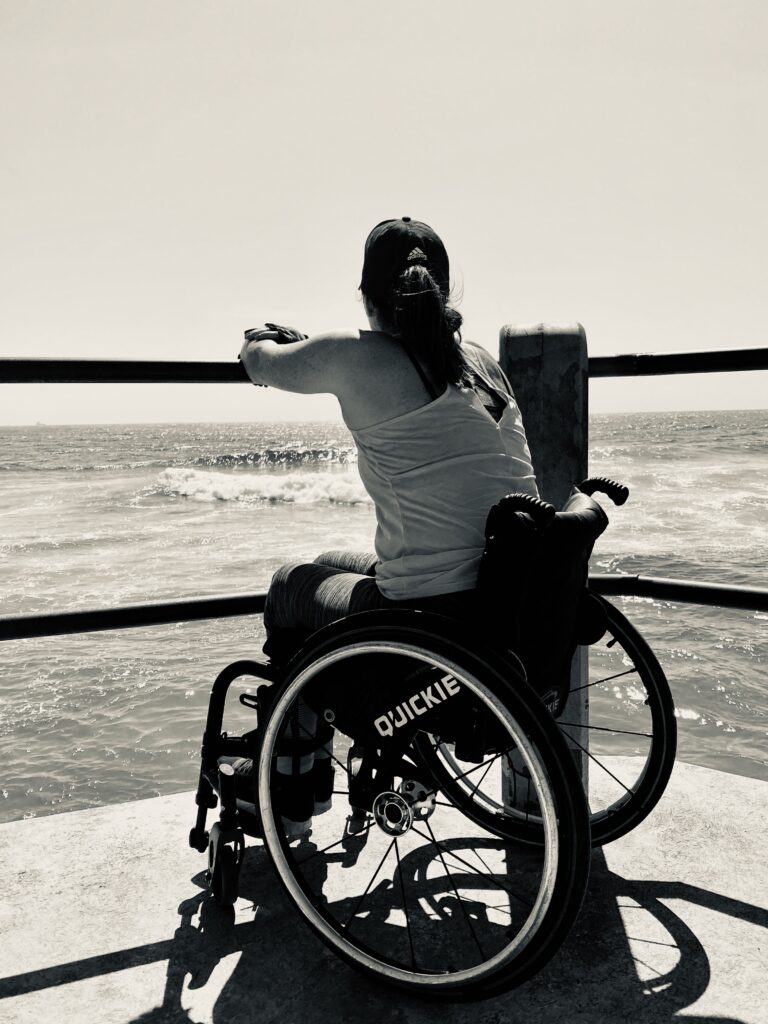
There are questions that drift through the mind from time to time — usually late at night or while waiting for the kettle to boil.
How long will my body keep up with me?
Will I still be able to do the things that bring me joy?
What does older age look like when mobility already requires planning and support?
These thoughts aren’t pessimistic — they’re human. Acknowledging them can feel like, but doesn’t mean, living in fear. It simply means we’re paying attention.
The reality is that none of us — disabled or not — get guarantees. What many wheelchair users do have, however, is experience. We’ve already learned how to reimagine life once. That skill doesn’t disappear with age; if anything, it becomes better honed.
Enjoyment Doesn’t Disappear — It Evolves
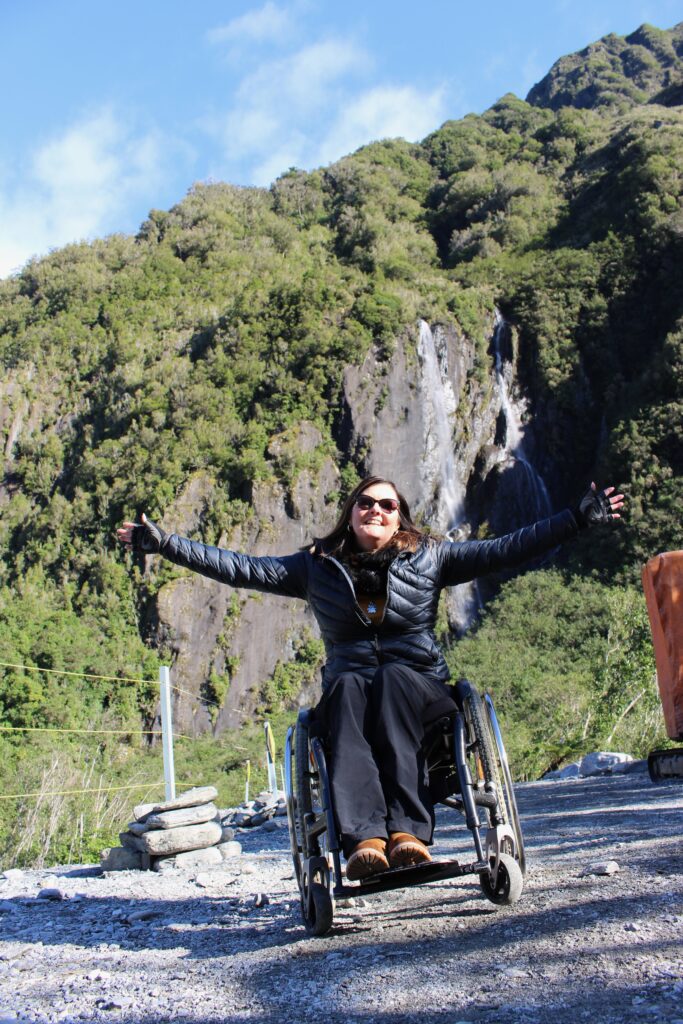
One common fear around ageing and disability is the idea that enjoyment slowly slips away. In truth, it often changes shape.
What once looked like full days out may become shorter, quieter moments. What used to be about doing more may become about choosing better. Pleasure becomes intentional. Comfort becomes valuable. And joy learns how to sit still without feeling guilty about it (I struggle with the latter!).
I have been told that here is a certain freedom in no longer needing life to be loud to prove it’s meaningful – I look forward to experiencing that, because I’m not quite there yet.
When Ageing and Disability Share a Glass of Wine...
Ageing brings its own collection of quirks — stiff joints, tired eyes, slower mornings. When layered onto paralysis, it can mean doing things differently once again. That might involve assistive devices, asking for help more often, or simply being kinder to oneself when energy runs out earlier than planned.
None of this is failure. It’s adaptation — a skill already well practised.
And perhaps the biggest shift is internal: letting go of the idea that independence must look the same forever. Independence can also mean choice, voice, and agency — even when assistance is part of the picture.
The Privilege of Getting Older
Here’s the part that doesn’t get said often enough:
Getting older is a privilege.
Ageing with a disability isn’t about bravely enduring life; it’s about continuing it, with humour and an understanding that worth isn’t measured by speed, productivity or how much you can carry without help.
There is wisdom in this stage — and a quiet confidence that comes from knowing you’ve already survived a major rewrite of your life once before.
In the End, Life Still Happens
Growing older as a wheelchair user doesn’t mean life becomes smaller. It becomes more precise, honest and definitely more selective.
And yes, there may be days when everything feels like hard work — but there are also days filled with laughter, purpose, contribution and peace. Often in places you didn’t expect to find them.
So we keep going. Rolling forward. Adjusting as needed. Holding onto humour. And reminding ourselves that a meaningful life has never depended solely on how fast or how far we can move — but on how deeply we live while we’re here.