
There is something fundamentally uncomfortable about being told that you need permission (submit an application – with evidence!) to buy a ticket.
Not because the event is sold out. Not because you cannot afford it. But because you happen to use a wheelchair.
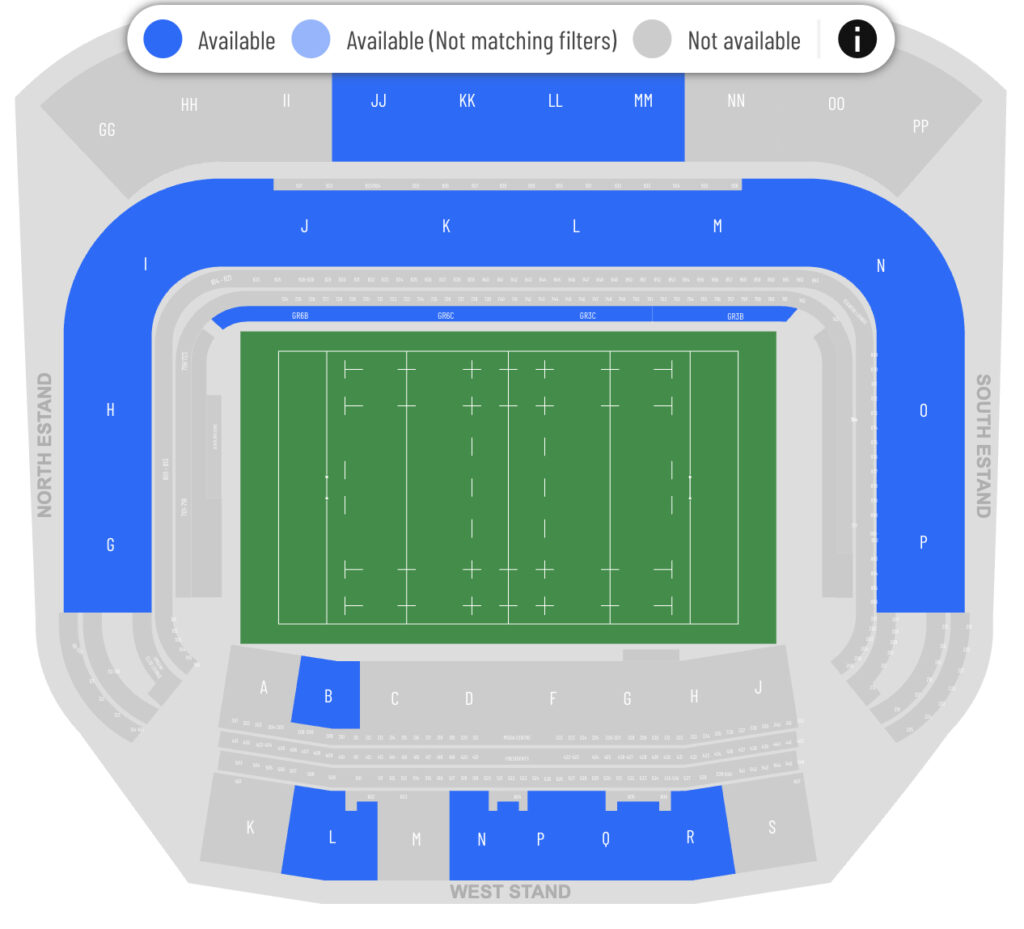
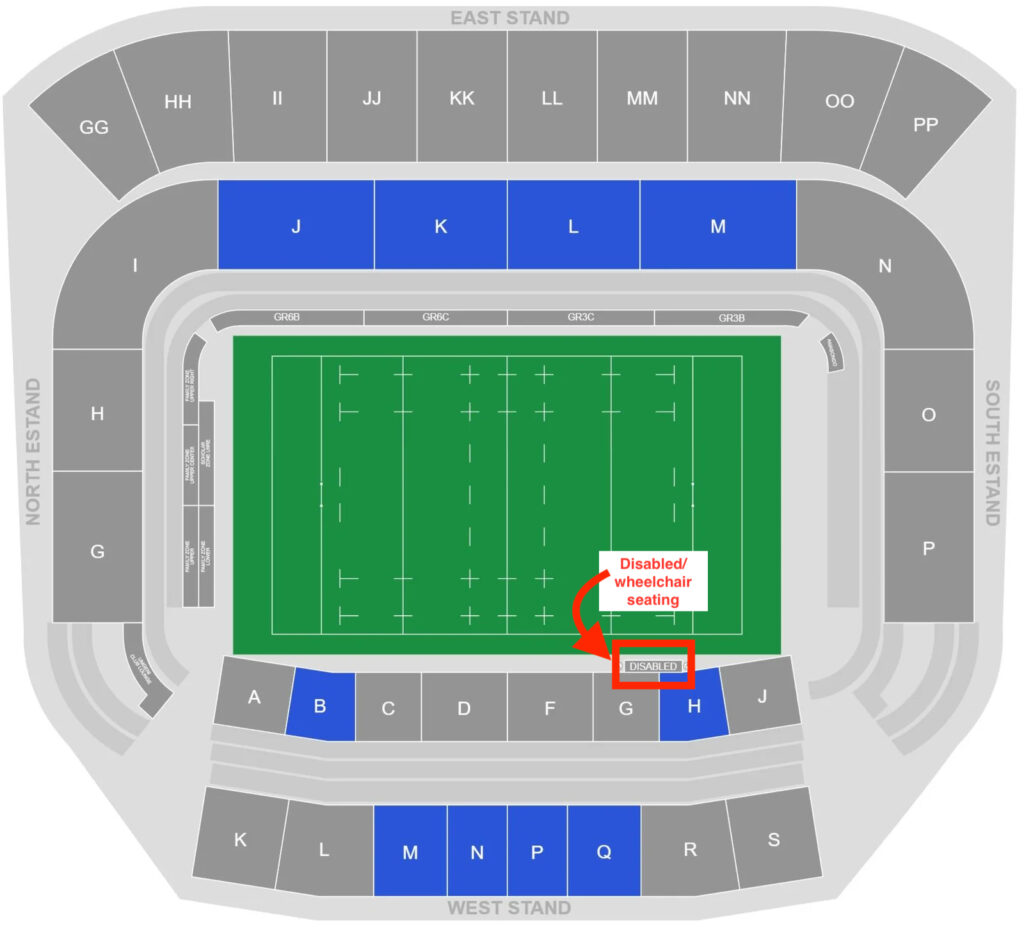
Earlier this week I attempted to purchase tickets for the Springboks versus Wales Test at Hollywoodbets Sharks Stadium in Durban. The process was nothing like the experience of every other rugby supporter.
While thousands of able-bodied spectators could simply open the ticketing website, choose their seats and pay, I was diverted into an entirely different process. Instead of selecting a seat, I was required to complete an accessibility application.
I had to submit evidence that I am disabled.
I had to explain my accessibility requirements.
I then had to wait while somebody else decided whether I qualified to buy a ticket.
The response eventually arrived. “No accessible tickets available.”
Perhaps they genuinely had sold out. Perhaps I should have booked earlier. Yes, I freely acknowledge that I attempted to book only three days before the match.
But that misses the real issue.
Why should disabled spectators have to apply for the right to buy a ticket at all?
Once Upon A Time It Was Simply Rugby
Perhaps this story carries a little extra weight because it wasn’t always like this.
When our children were school-going, my husband and I were regulars at what was then simply Kings Park Stadium. Rugby was part of our family life. We would often head to Durban on a Saturday afternoon, buy our tickets and enjoy an evening supporting the Sharks.
I was already a wheelchair user. Yet my wheelchair was never the defining feature of the experience.
I bought a ticket just like everyone else. My ticket happened to be in the wheelchair-accessible section, my husband sat beside me, and our children excitedly joined the scholars’ section with their friends. We would wave across the stands before kick-off, celebrate every try, commiserate over every missed penalty and leave together as a family with memories that had nothing to do with disability and everything to do with rugby.
That is what inclusion looks like.
No applications. No motivation letters. No proving that I was disabled enough. No waiting for permission to become a paying spectator. Simply buying a ticket and joining thousands of other supporters.
So what changed?
How did we move from a system where a wheelchair user could purchase a ticket with dignity and spontaneity to one where I am expected to submit personal information, provide evidence of my disability and wait for someone else to decide whether I may attend?
The irony is difficult to ignore.
My disability has not changed. My love of rugby has not changed. My willingness to pay for a ticket has not changed.
The only thing that appears to have changed is the system itself.
And somehow, that system now makes me feel less like a valued supporter and more like an exception that needs to be managed.
Accessibility should never make people feel that way.
When Accessibility Becomes an Application Process
I was not asking for a complimentary ticket.
I was not requesting preferential treatment.
I was prepared to pay exactly the same as every other spectator.
The only thing I required was a place where my wheelchair could physically fit.
That is not a luxury.
It is the minimum requirement to enable someone to attend the event.
Yet the process immediately separates disabled supporters from everyone else.
One group purchases. The other applies.
One group chooses. The other waits.
One group is treated as customers. The other is treated as applicants.
That distinction matters.
Accessibility Is About Dignity, Not Charity
Modern accessibility is founded on dignity, equality and inclusion—not special favours and international sporting organisations increasingly recognise this.
FIFA, for example, sells accessibility tickets as a standard ticket category. They are purchased like any other ticket, albeit for designated accessible seating areas. They are not free, nor are they considered charitable concessions.
Similarly, the Principality Stadium in Cardiff publicly discloses that it has more than 200 (around 214) wheelchair spaces and allows verified disabled supporters to purchase accessible tickets through its ticketing platform.
The emphasis is on enabling attendance—not creating additional barriers.
The Number We Do Not See
Hollywoodbets Sharks Stadium – the venue for the rugby match between the Springboks and Wales on Saturday, 18 July 2026 – accommodates approximately 54,000 spectators.
Yet there appears to be no publicly available information stating:
- How many wheelchair spaces exist.
- What percentage of total capacity they represent.
- Whether those spaces meet international recommendations.
- Whether demand regularly exceeds supply.
- Whether disabled supporters are turned away while standard seating remains available.
If only 40 wheelchair spaces existed, that would represent just 0.07% of stadium capacity.
If there were 100 spaces, that would still amount to only 0.19%.
If there were 200 spaces, the figure would still be just 0.37% of all spectators.
Without transparency, the public cannot know whether disabled supporters are receiving equitable access or merely symbolic provision.
Questions Every Sporting Venue Should Answer
This article is not really about one rugby match.
It is about equality.
- Should a wheelchair user have to disclose medical information simply to purchase a sporting ticket?
- Should disabled supporters lose the opportunity to attend because approval processes take longer than ordinary ticket purchases?
- Should accessibility depend upon administrative permission rather than equal customer access?
These are questions worth asking—not only of Hollywoodbets Sharks Stadium, but of every sporting venue in South Africa.
Accessibility should never feel like asking for a favour. No, it should simply be another way of buying a ticket.
Because inclusion is not measured by ramps alone. It is measured by whether disabled supporters are treated as equal fans from the moment they decide they want to be part of the crowd.
I don’t want special treatment. I don’t want free tickets. I don’t want preferential seating.
I simply want what every rugby supporter wants: the opportunity to decide, on a Wednesday afternoon, that I’d love to watch the Springboks on Saturday, buy a ticket online, arrive at the stadium with my husband, and lose myself in eighty minutes of rugby.
That used to be possible.
My question is simple:
Why isn’t it anymore?