
Five visits.
Five reminders that accessibility doesn't have to be complicated.
There are some things you notice when you travel in a wheelchair that most people simply don’t see.
- You notice the kerb before you notice the coffee shop.
- You notice the gradient before you notice the view.
- You notice whether the door is heavy before you notice what is written on it.
- And, perhaps more than anything, you notice where the toilet is!
After more than three decades of life in a wheelchair, accessibility has become something I automatically assess. I don’t necessarily mean to. It is simply part of travelling for me. After five visits to New Zealand, one thing continues to amaze me:
New Zealand seems to get accessibility right.
Not perfectly. No country does. But consistently enough that I have found myself repeatedly thinking:
“How do they manage to do this so well?”
What particularly impresses me is that accessibility isn’t restricted to enormous shopping centres, airports or purpose-built tourist attractions. No, it appears in the ordinary places.
- The little shops.
- The cafés.
- Shopping centres.
- Public parks.
- Rest areas.
- Walking trails.
- Small towns.
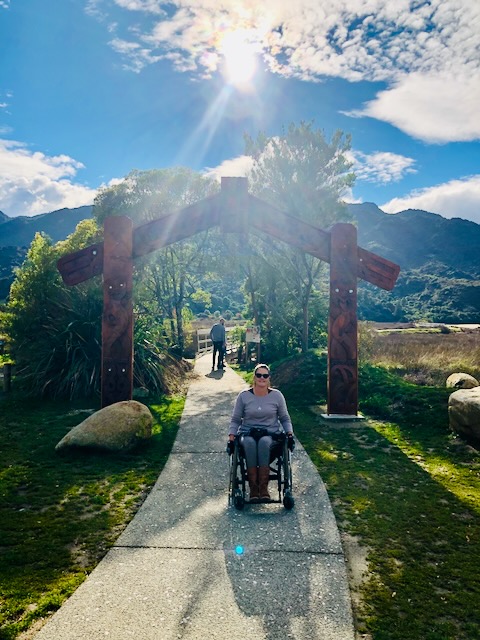
- Remote destinations, including the accessible hiking trails!
And then there are the toilets.
Oh, the toilets!
The Accessible Toilet Test
I have probably become something of an accessibility toilet critic over the years.
Not because I particularly enjoy thinking about toilets—but because, as a wheelchair user, a toilet can determine whether I can comfortably spend time somewhere or whether I need to leave.
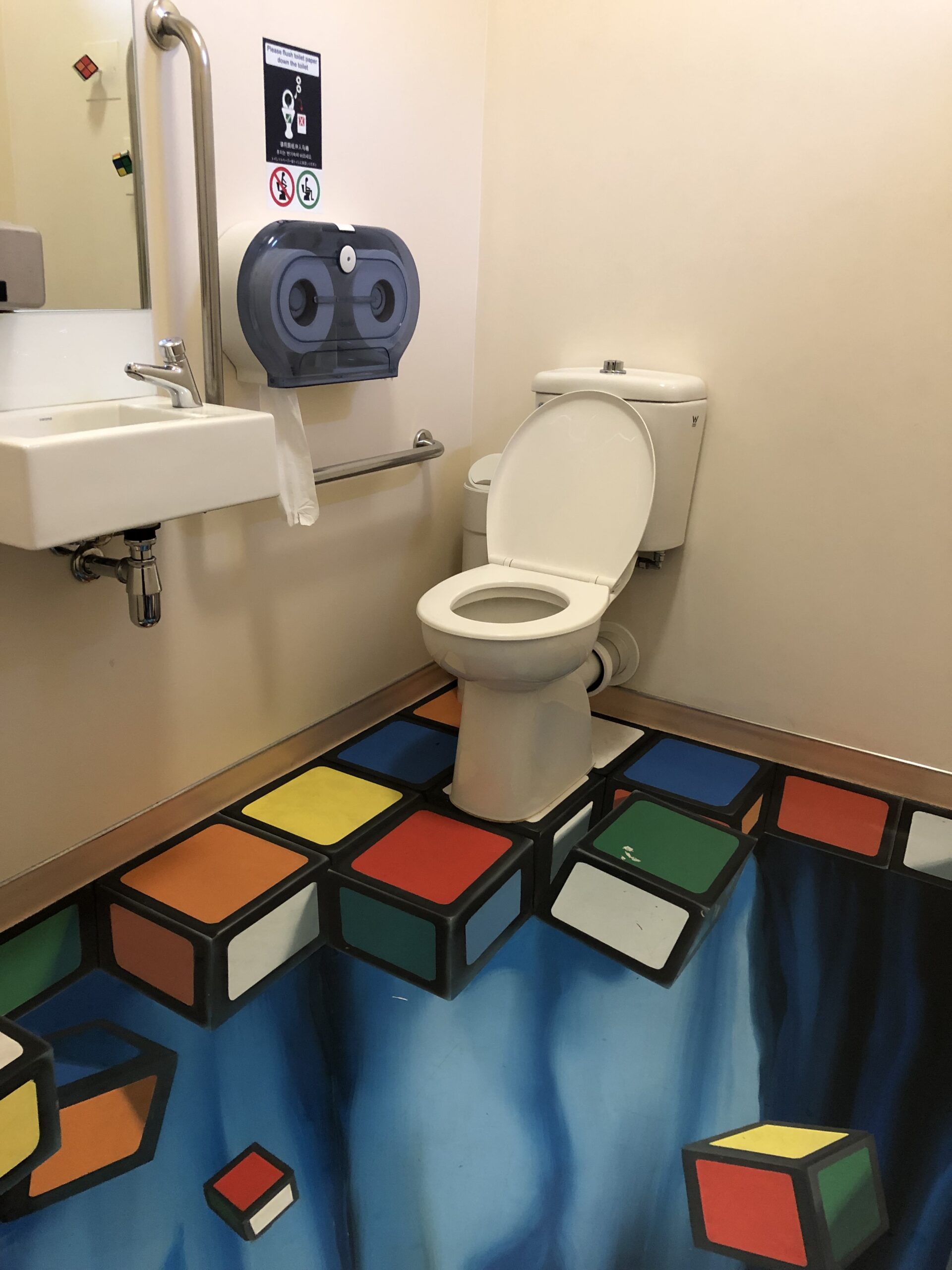
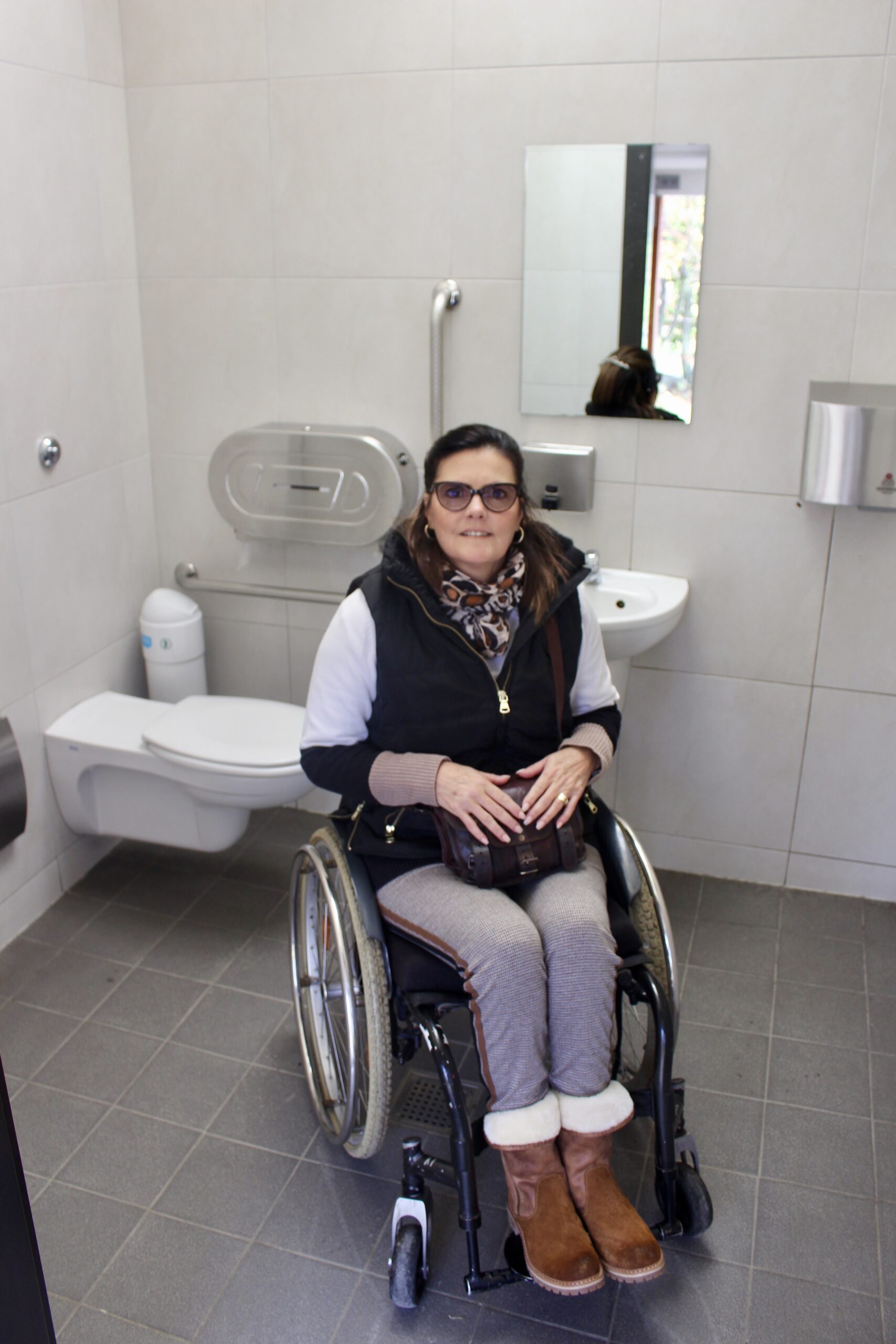
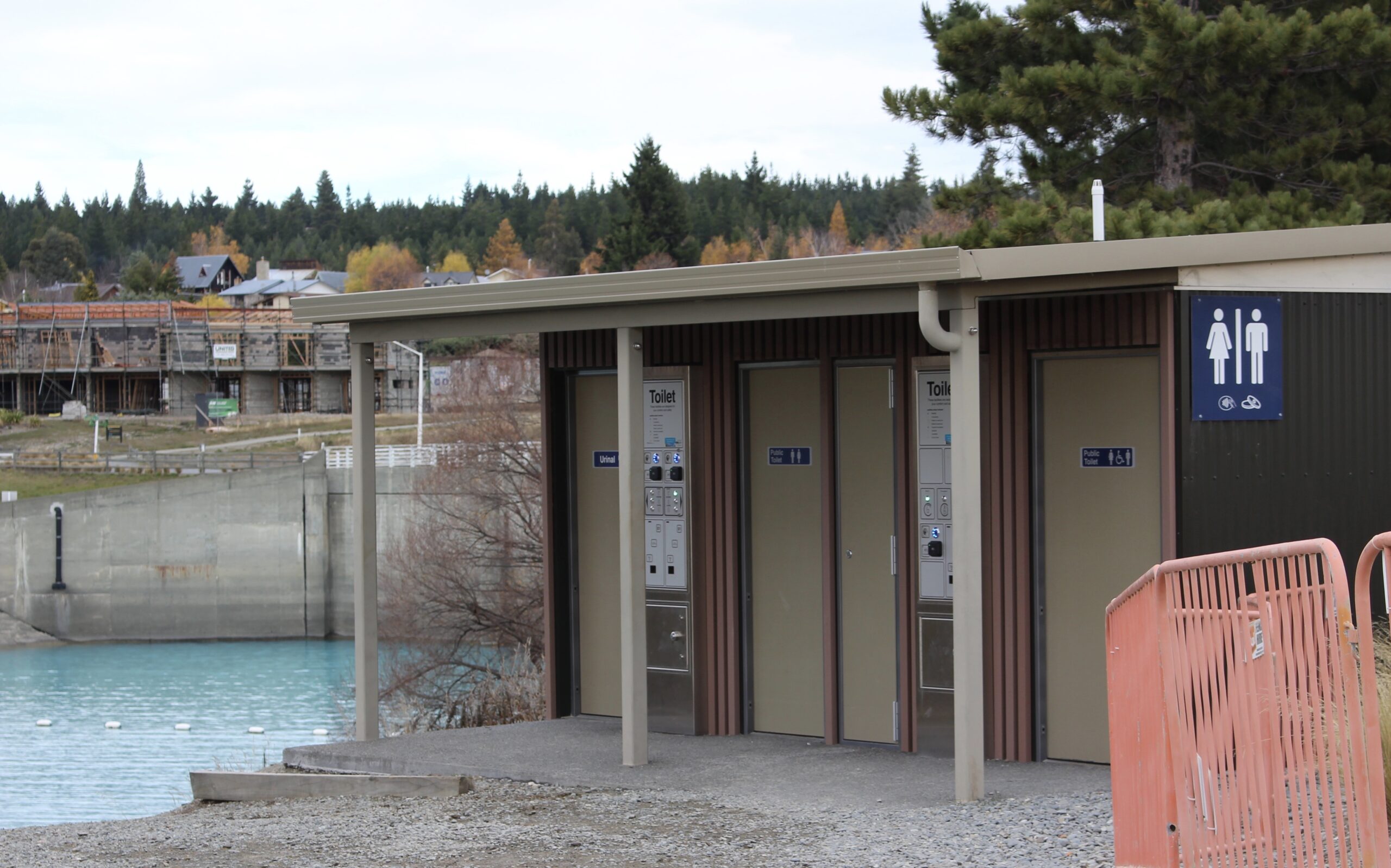
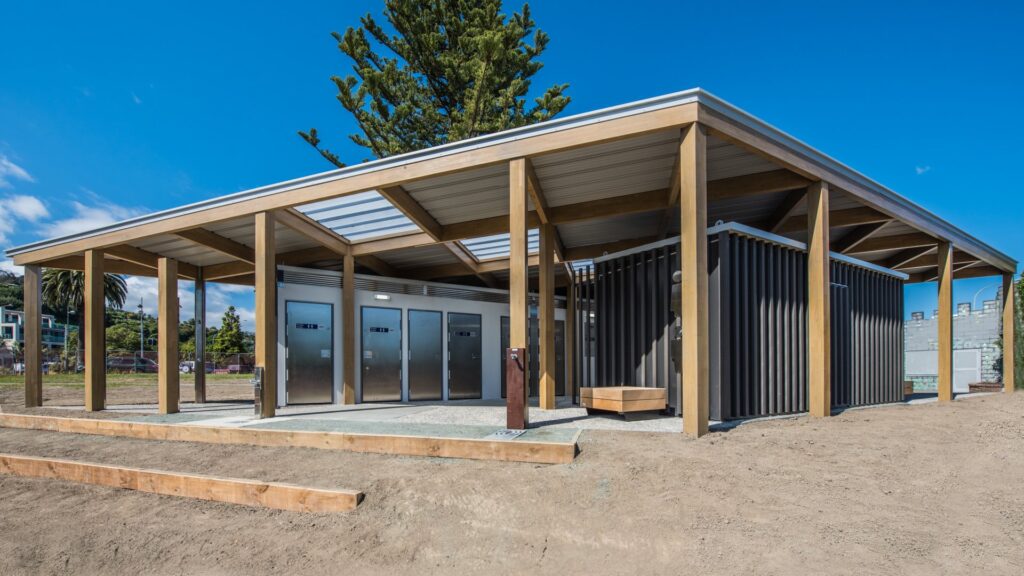
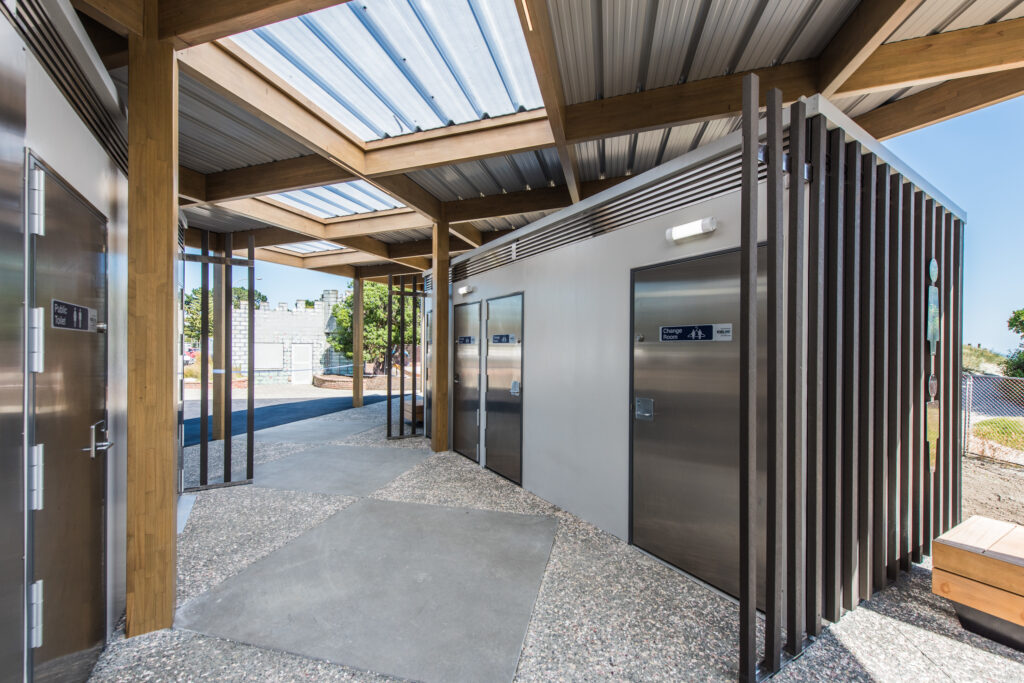
In 🇳🇿New Zealand, I have repeatedly encountered accessible public toilets that are:
- easy to find
- genuinely accessible
- spacious enough to manoeuvre
- properly equipped
- clean
- well maintained
- uncluttered
- and, importantly, actually available for their intended purpose.
That last point matters.
- An accessible toilet that has become a storage cupboard isn’t accessible.
- An accessible toilet with a tiny turning circle isn’t really accessible.
- An accessible toilet hidden behind three steps isn’t accessible.
- And an accessible toilet that is so dirty you wouldn’t want to touch anything isn’t exactly inclusive either.
New Zealand’s building guidance specifically recognises that sanitary facilities need to be provided in convenient locations, and states that accessible facilities must be accessible and usable. It also recognises practical details such as wheelchair turning space, transfer space beside the toilet, door design and the positioning of fittings.
In other words, accessibility isn’t simply about putting a grab rail next to a regular toilet. It is about designing the whole experience.
And that distinction is enormous.
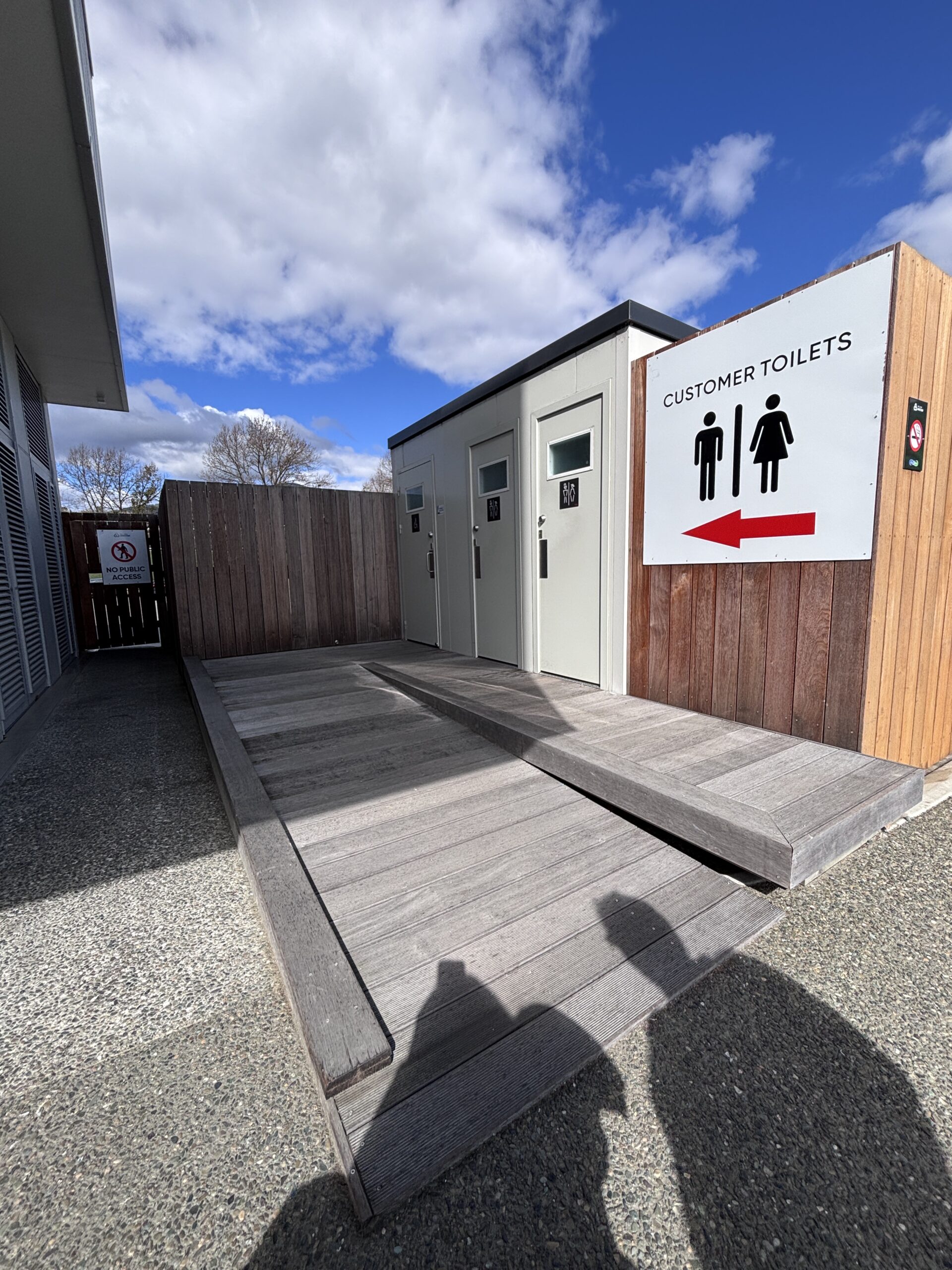
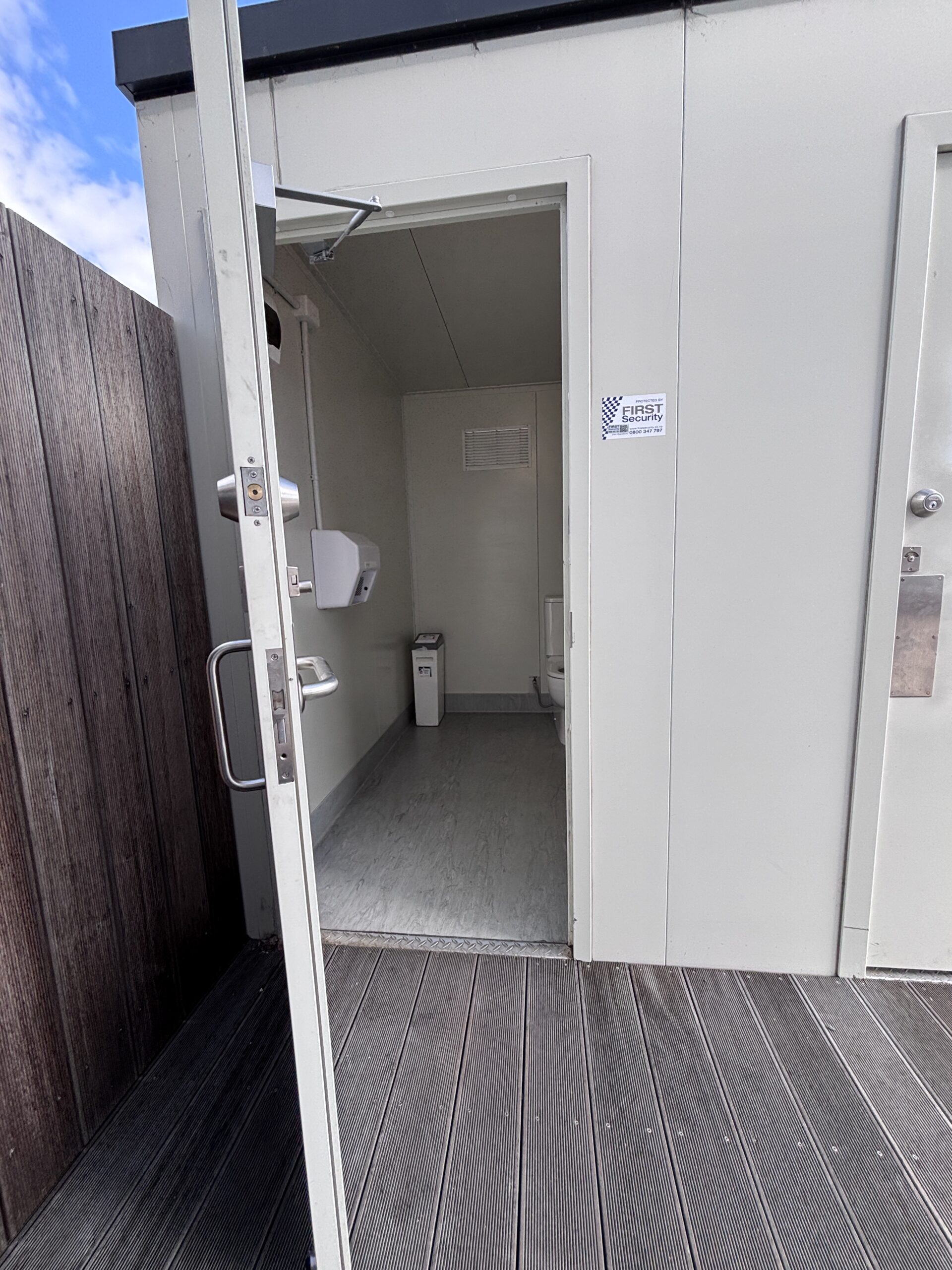
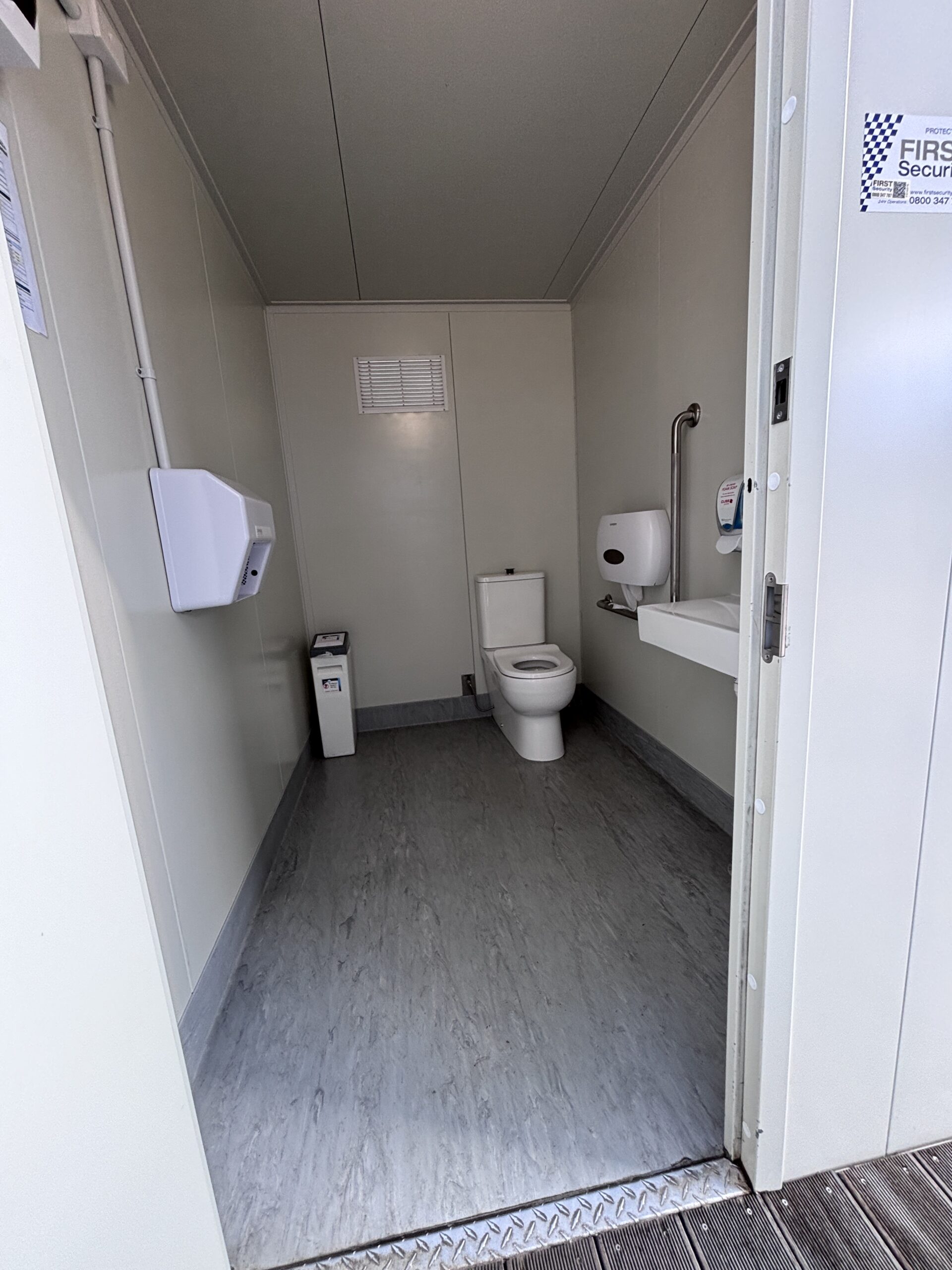
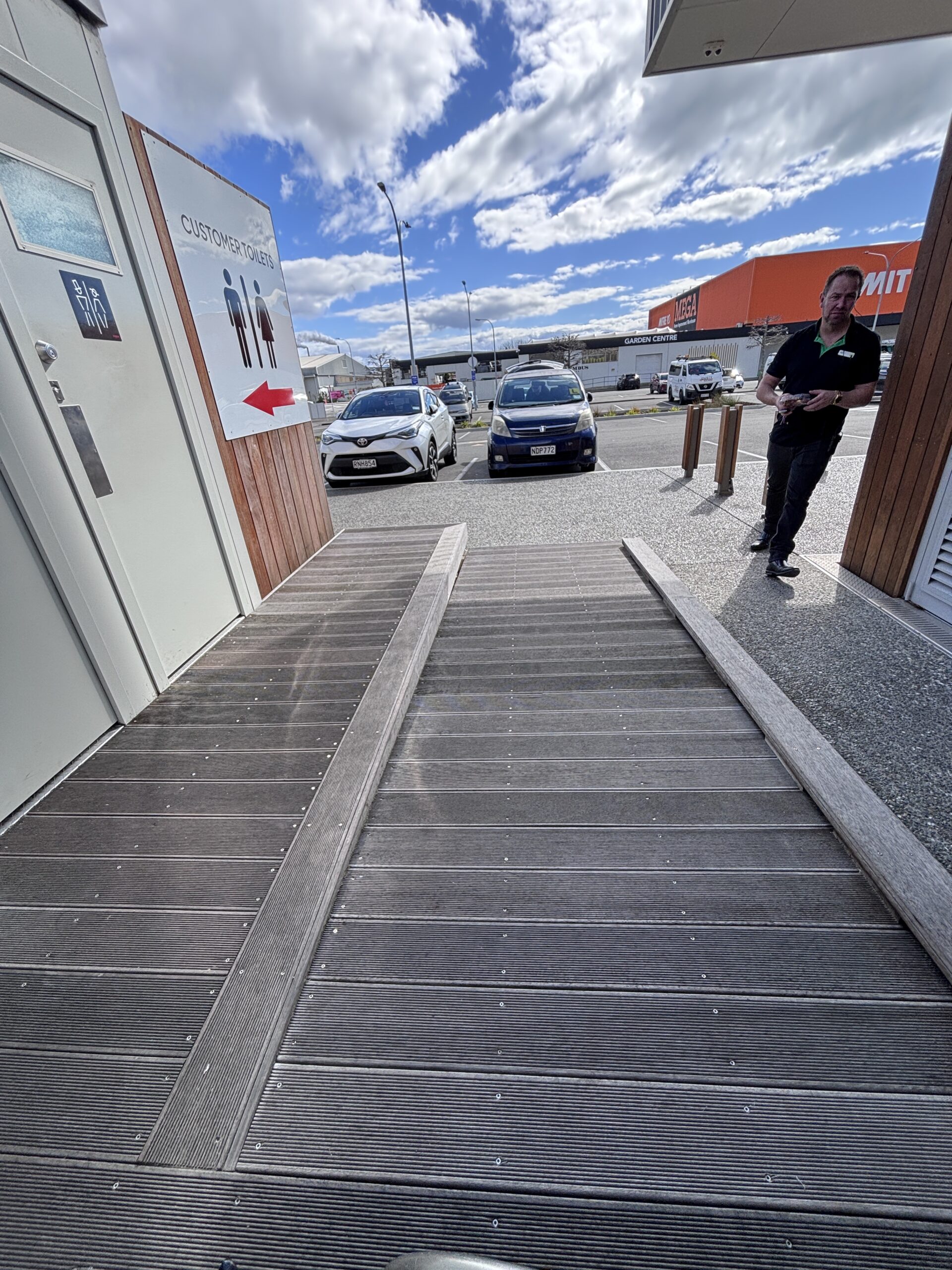
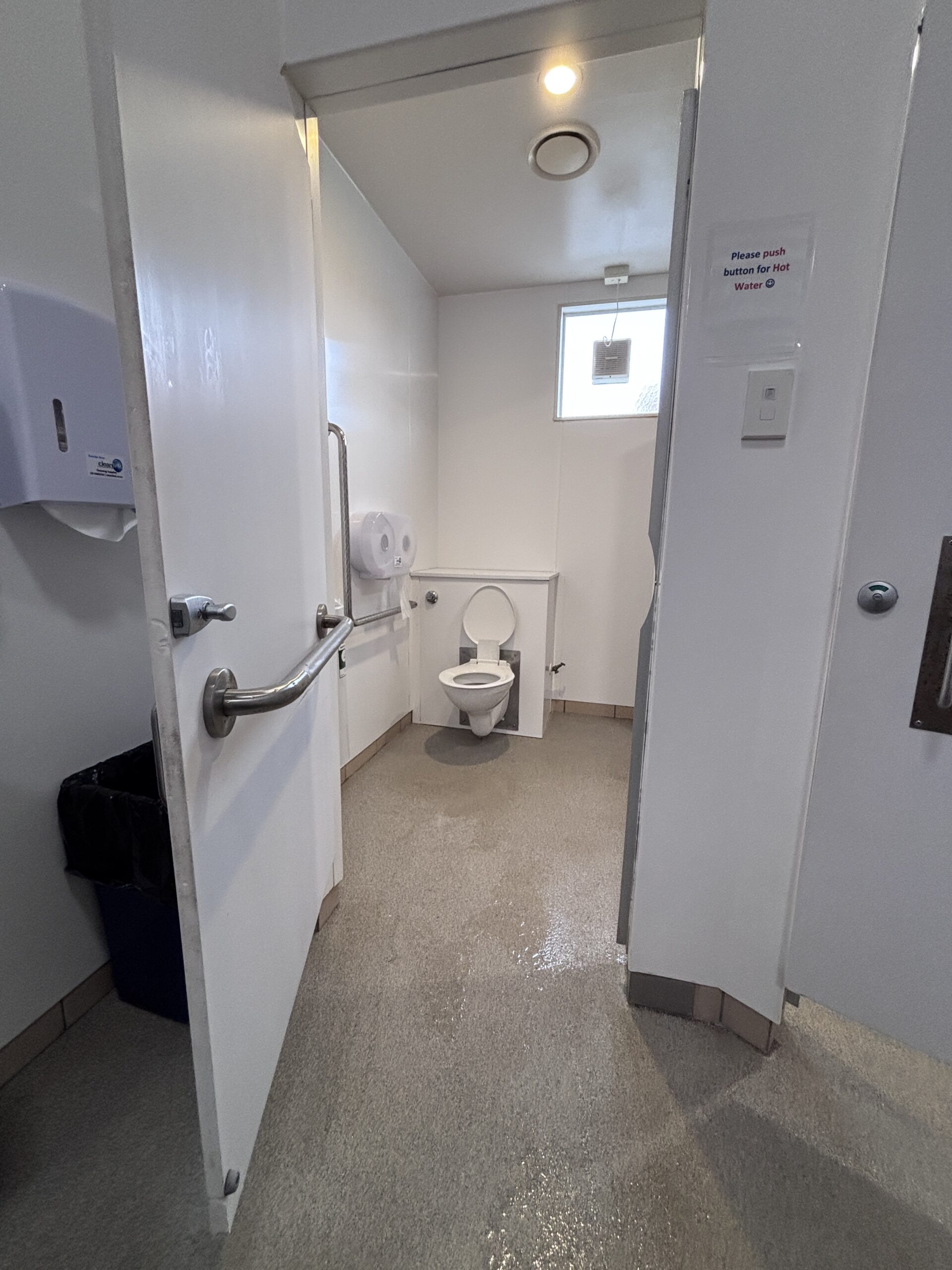
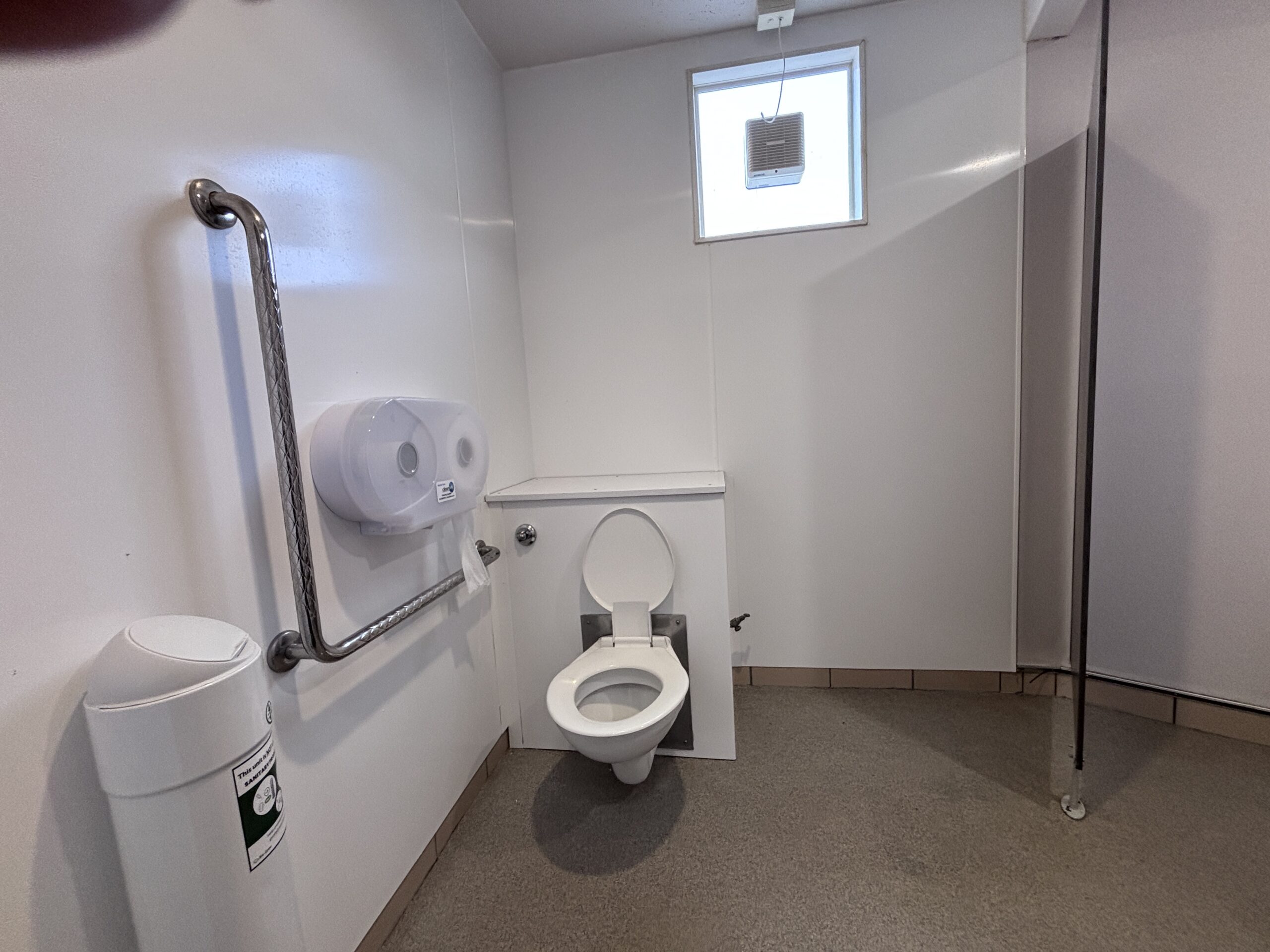
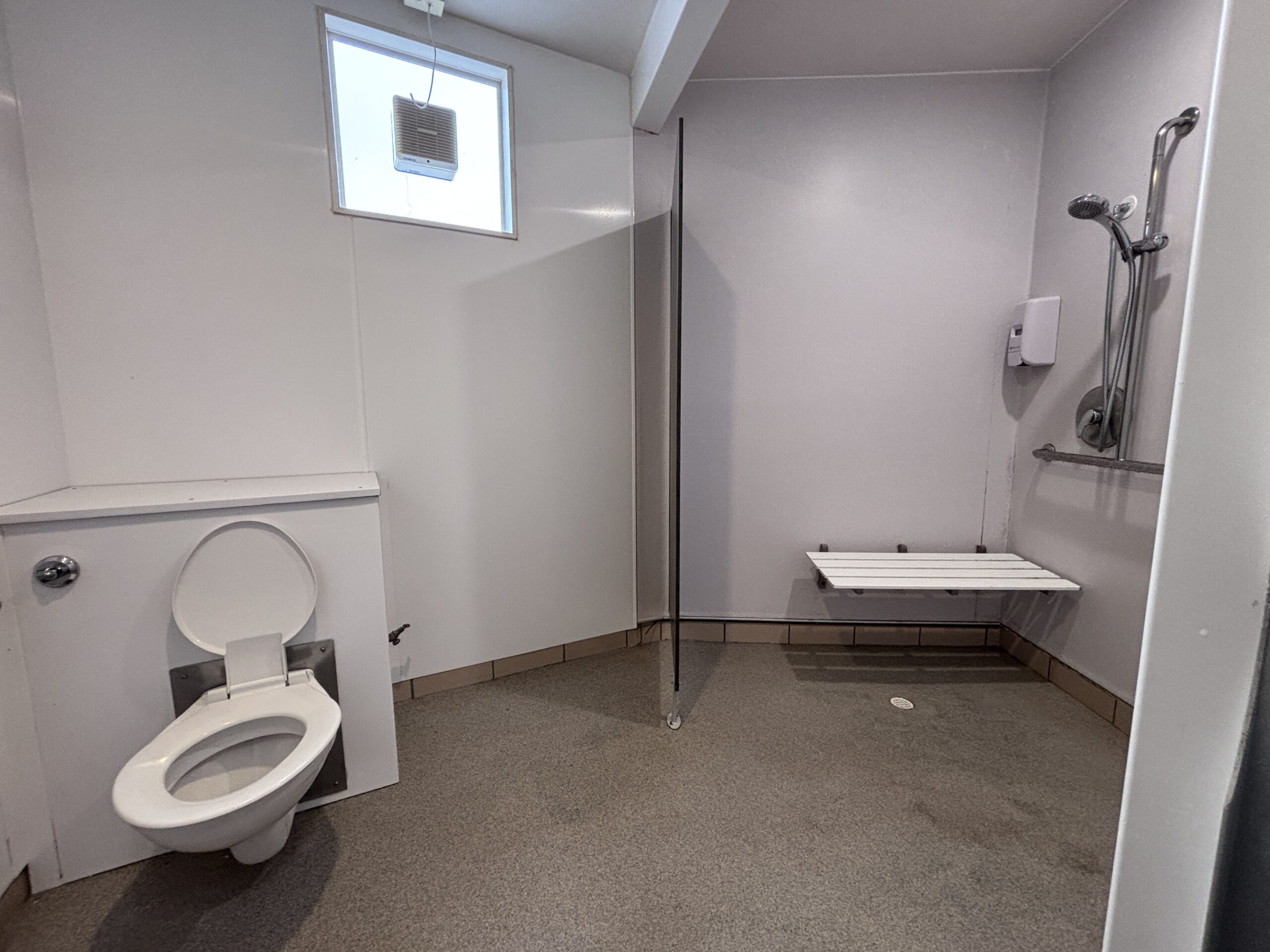
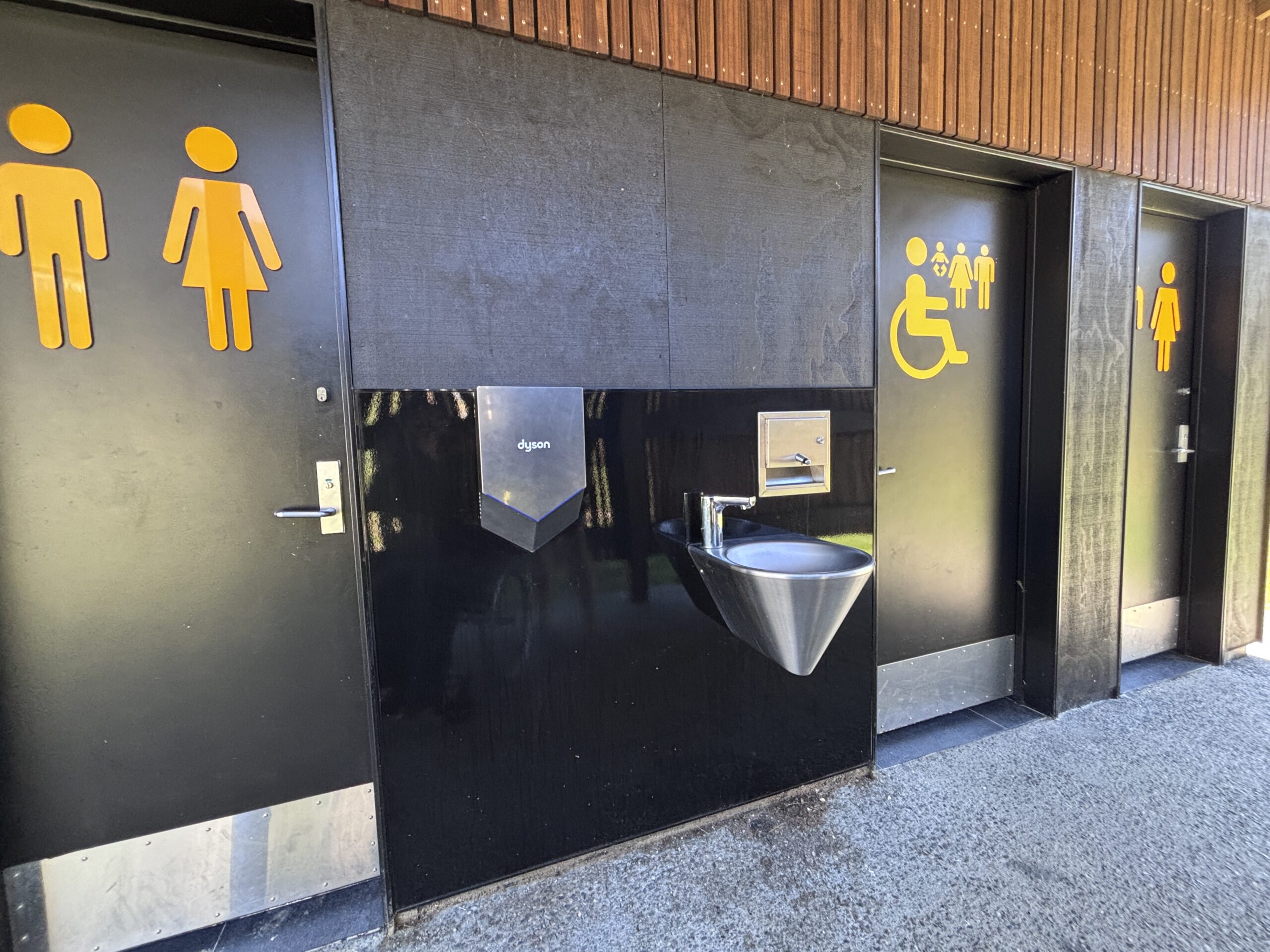
But why does New Zealand seem to do this so consistently?
This is the question I keep coming back to.
There are countries considerably larger and considerably wealthier than New Zealand where accessibility can still feel like an afterthought. Living in South Africa, I sadly admit that that certainly is the case in most public venues.
So what is different?
I think there are several things at play.

1. Accessibility is built into the rules
One of the biggest differences is that accessibility isn’t left entirely to the goodwill or imagination of individual businesses.
New Zealand’s Building Code includes specific requirements around access routes and personal hygiene facilities.
The D1 Access provisions cover things such as entrances, corridors, doors, ramps and lifts, with the objective of enabling people with disabilities to move safely into, within and out of buildings.
The requirements also go beyond simply getting through the front door.
An accessible route should allow a wheelchair user to negotiate the space, should be easy to find, and should provide usable doors and hardware.
That sounds obvious.
But anyone who has travelled extensively in a wheelchair knows how often the “accessible entrance” means:
“Please go around the back, through the kitchen, past the bins and we’ll let you in.”
Technically accessible, but practically humiliating.
There is a difference.
2. Accessibility appears to be considered as part of ordinary design
Perhaps one of the most encouraging things I have noticed in New Zealand is that accessibility doesn’t always feel like something that has been added afterwards.
It feels incorporated.
- A ramp isn’t necessarily sitting awkwardly beside a staircase as an obvious “wheelchair solution”.
- A path is simply wide enough.
- A doorway is simply wide enough.
- A toilet is simply there.
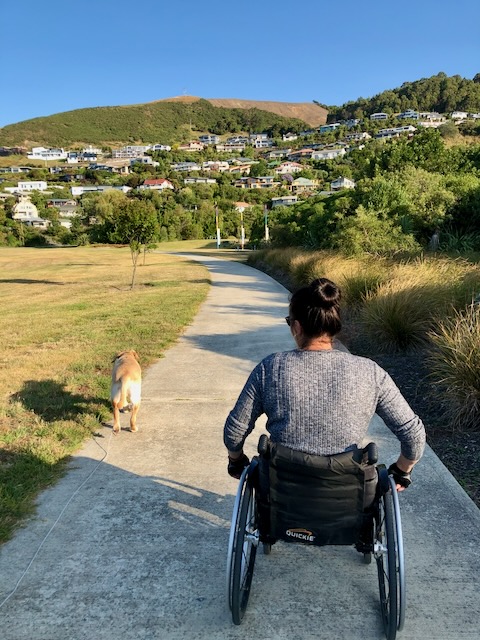
- A park or hiking path is simply usable.
And this is exactly what good universal design is supposed to achieve.
The New Zealand government’s own accessibility work describes the goal as identifying, preventing and removing barriers so that disabled people can participate and access opportunities on an equal basis. It specifically identifies public buildings and spaces, transport, housing, information and communication as areas where accessibility matters.
That is an important shift in thinking.
Instead of asking:
“How do we make this accessible for disabled people?”
the better question becomes:
“How do we design this so that as many people as possible can use it?”
Those are two very different approaches.
3. Accessibility benefits far more people than wheelchair users
This is another thing that often gets forgotten.
An accessible toilet isn’t only useful to somebody in a wheelchair.
It can be useful to:
an older person
someone recovering from surgery
somebody with a temporary injury
a parent helping a child
a person with a hidden disability
someone who needs more space
a person who needs assistance from a carer
a pregnant woman
somebody with continence difficulties.
The same applies to ramps, smooth paths, automatic doors, seating and accessible parking.
Good accessibility often makes life easier for everyone.
New Zealand’s guidance even recognises the usefulness of larger facilities for families and people who need assistance, rather than treating accessibility as something exclusively associated with wheelchair users.
And perhaps that is one of the secrets.
When accessibility is understood as good design for people, rather than a special concession for “the disabled”, it becomes much easier to incorporate.
4. The smaller places matter
This is probably what impresses me most. It really blows me away!
It is relatively easy to be impressed by accessibility at a large international airport or a major shopping centre.
- There is money.
- There are architects.
- There are regulations.
- There are large numbers of visitors.
But when you find a clean, well-designed accessible toilet in a tiny community, at a remote park or somewhere that looks as though it has very little connection to the modern world, you start to realise that something deeper is happening.
Accessibility has become part of the expectation and that is enormously powerful.
Because inclusion shouldn’t depend upon how many people are going to use the facility.
A wheelchair user visiting a small rural town has exactly the same bladder, exactly the same dignity and exactly the same right to participate.
5. There appears to be a willingness to listen to disabled people
This may be one of the most important pieces of the puzzle.
New Zealand’s current accessibility work explicitly recognises disabled people as experts in accessibility because of their lived experience and emphasises involving disabled people in decision-making.
That matters.
Because accessibility can look absolutely brilliant on an architect’s drawing and be completely useless to the person sitting in the wheelchair.
- Ask a wheelchair user where the grab rail should go.
- Ask them whether they can actually reach the basin.
- Ask them whether there is enough room beside the toilet to transfer.
- Ask them whether the door can be opened from the wheelchair.
- Ask them whether they can actually find the accessible entrance.
And then—and this is the important bit—
listen to the answer.
My professional background as an occupational therapist has probably made me particularly sensitive to this.
There is a huge difference between something being technically accessible and something being functionally accessible. The latter is what allows somebody to participate independently.
And independence is the real measure of accessibility.
6. Accessibility seems to be treated as participation—not charity
This, to me, is perhaps the biggest difference.
Accessibility isn’t about doing disabled people a favour.
It is about removing unnecessary barriers to participation.
New Zealand’s government accessibility framework describes accessibility as fundamental to disabled people’s ability to participate fully in society and to exercise their rights on an equal basis with others.
That philosophy changes everything.
If accessibility is charity, somebody can decide whether you deserve it. If, however, accessibility is a right, the question becomes:
“Why wouldn’t we provide it?”
And perhaps that is the mindset that creates better environments.
Is New Zealand Perfect?
NO. DEFINITELY NOT.
And I don’t want this article to become one of those “New Zealand is perfect and everyone else is terrible” pieces.
There are still accessibility barriers in New Zealand. The government itself acknowledges that disabled people continue to experience barriers to buildings and public facilities, and that accessibility has historically been fragmented and inconsistent.
That is actually important, because acknowledging the gaps doesn’t take away from what is working.
In fact, it gives us something to learn from.
Perhaps the biggest lesson is simplicity
After five visits, I don’t think what impresses me most about New Zealand is any single ramp, toilet, pathway or building.
It is the consistency.
- Accessibility doesn’t always announce itself.
- It doesn’t necessarily have a huge wheelchair symbol plastered everywhere.
- It isn’t always treated as a special feature.
Accessibility is simply there.
And perhaps that is the ultimate goal.
Imagine a world…
- where a wheelchair user doesn’t have to research every toilet before leaving the hotel.
- Where a family doesn’t have to phone a café and ask whether there are three steps at the entrance.
- Where a person with a disability doesn’t have to make a special request simply to use a public facility.
- Where accessibility is so ordinary that nobody even thinks about it.
That is what inclusion looks like.
Not spectacular or inspirational and definitely not something worthy of a medal!
Just ordinary.
And, after living in a wheelchair for almost 28 years, I can tell you that ordinary accessibility is pretty extraordinary.
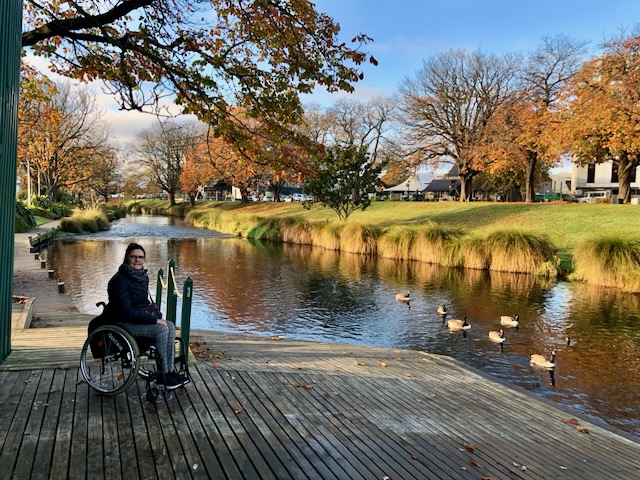
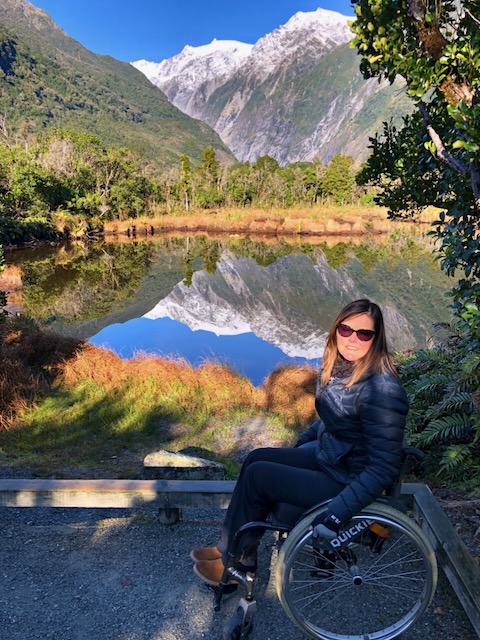
🇳🇿 Thank you New Zealand 🇳🇿
Five visits in, and I am still noticing, still learning and I’m still wondering why something that seems so obvious in New Zealand can feel so difficult elsewhere.
Perhaps the question isn’t:
“Why is New Zealand so good at accessibility?”
Perhaps the better question for the rest of us is:
“What could we learn from the way New Zealand thinks about access?”
Because accessibility shouldn’t be a luxury and it shouldn’t depend on the size of the business. It shouldn’t depend on whether you are visiting a major tourist attraction or a tiny town and it certainly shouldn’t depend on whether somebody thinks enough disabled people will use the facility to make it worth providing.
People shouldn’t have to earn the right to access the world around them. They should simply be able to access it.
That is what accessibility is supposed to mean.